Fossil Rhamnaceae flowers from Patagonia
Flowers are some of the most ephemeral structures a plant makes, so they are rare in the fossil record. But in the rocks of Chubut, Argentina, we found tiny fossil flowers from a forest that was growing in the aftermath of the asteroid impact that wiped out the dinosaurs. They belong to the buckthorn family, and they're helping us figure out which plants made it through one of Earth's greatest mass extinctions.
Patagonia, 65 million years ago
At the start of the Cenozoic, a seaway separated South America from North America, but South America was still connected to Antarctica. The Drake Passage (the ocean gap between them today) hadn't opened yet. The world was much warmer then too, and forests probably stretched continuously across southern South America and coastal Antarctica, all the way to Australia. Shallow seas reached far inland into central Patagonia.
The southern Andes were still young, with many phases of mountain-building ahead, but they had already created basins to the east where sediments and fossils could accumulate.
This region may have been a refuge for many plant species during the extinction triggered by the Chicxulub asteroid, which struck what is now Mexico about 66 million years ago. Fossil leaves, and the insect damage on them, show that biodiversity in southern South America was high compared to similar latitudes in North America.
Why the flowers matter
Plant fossils are abundant in the early Paleocene Salamanca Formation, but what makes it exceptional is the fossil flowers. Flowers are especially useful to paleobotanists because they preserve many identifying features together, which lets us pin down what a plant was with much more confidence than a leaf alone allows.
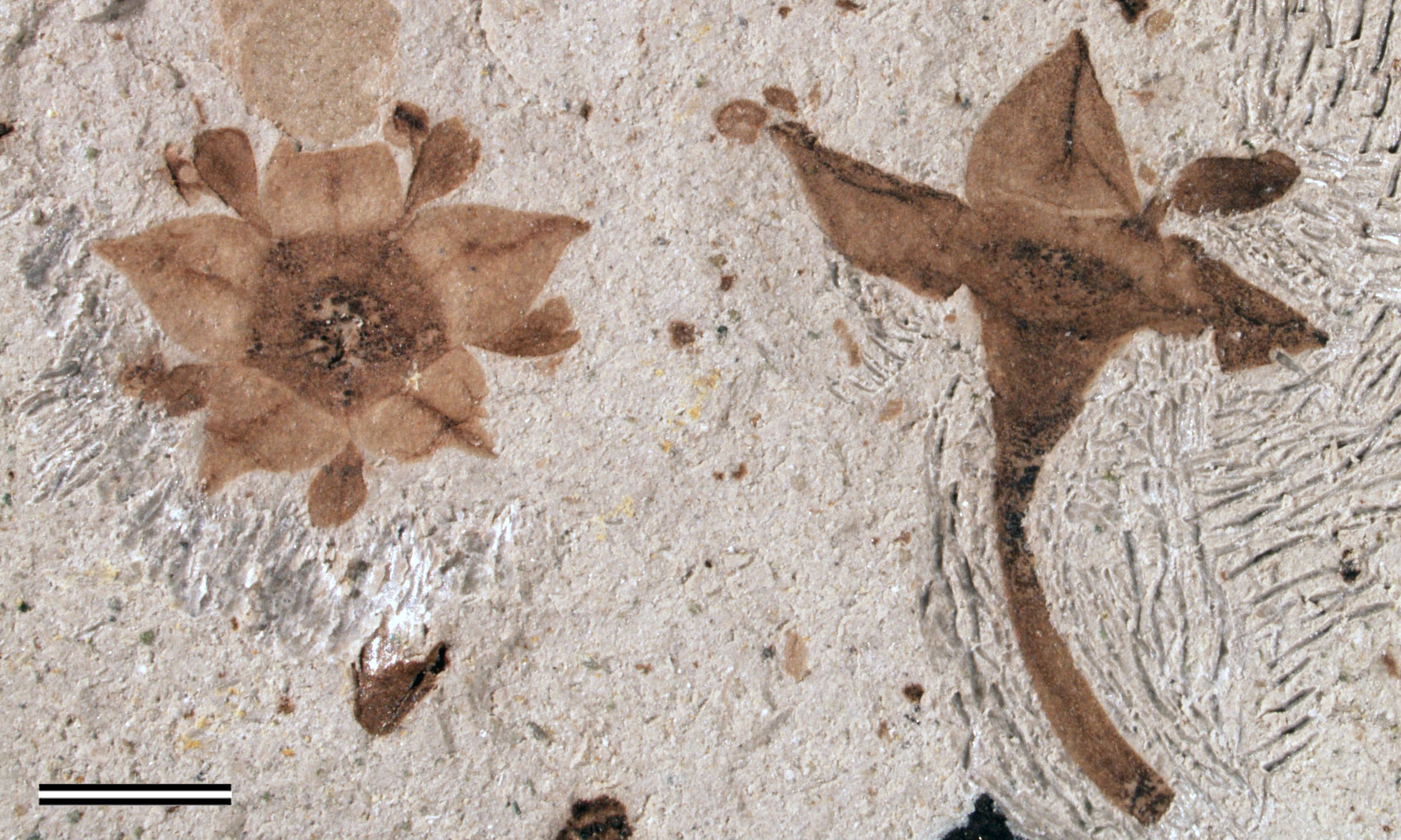
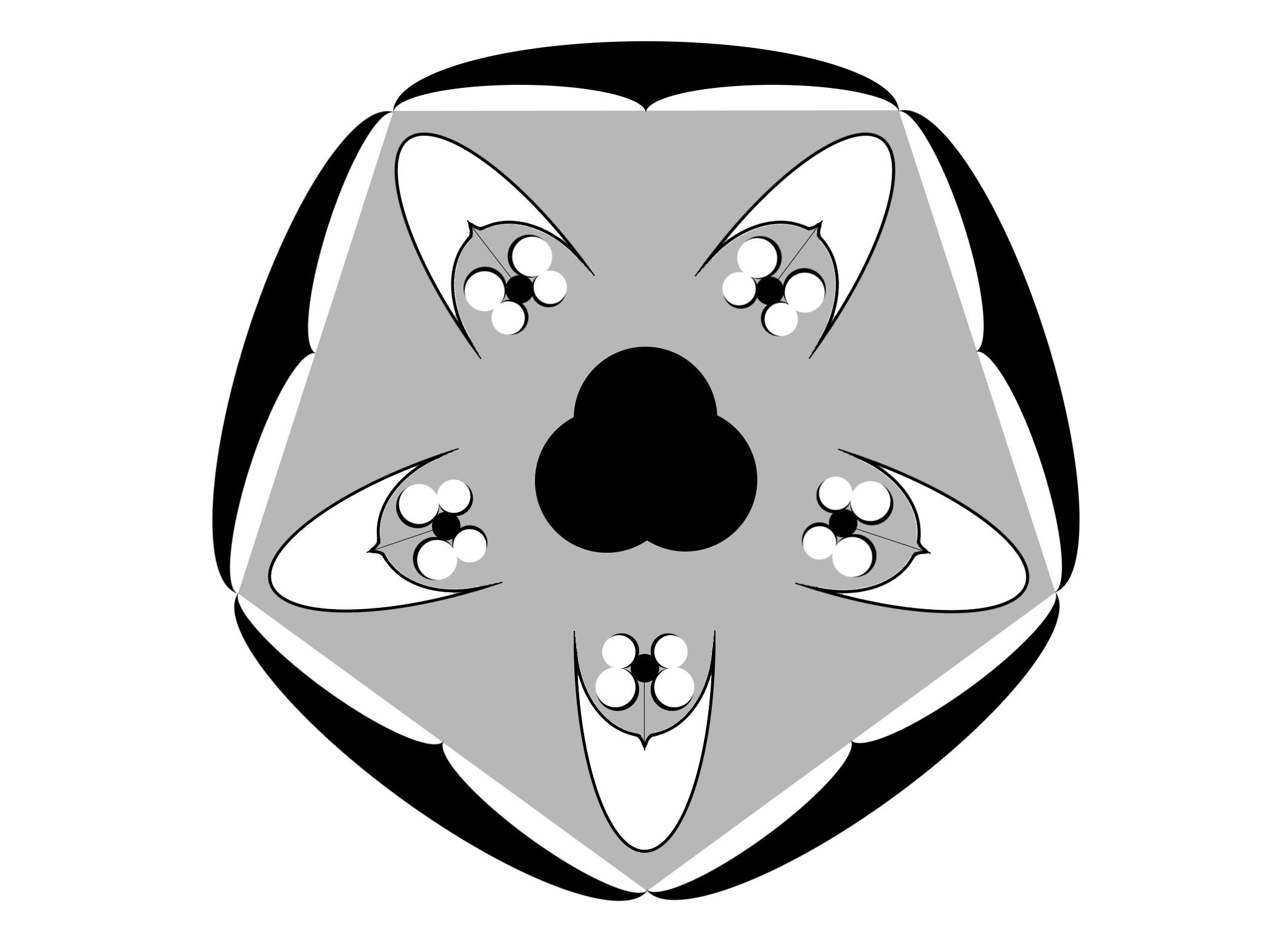
In our paper on fossil Rhamnaceae flowers in PLOS ONE, we described fossil flowers and leaves from the Rhamnaceae, the family that includes buckthorns and jujube. Apart from some fossil pollen grains, these are the southernmost fossils of the family ever found.
Today, Rhamnaceae grow worldwide, and they're most diverse in Mediterranean climates with hot, dry summers. But the fossil record and the family tree of living species both suggest that this link to Mediterranean climates is fairly recent. Our fossils grew in warm, humid climates, long before the family diversified in drier habitats.
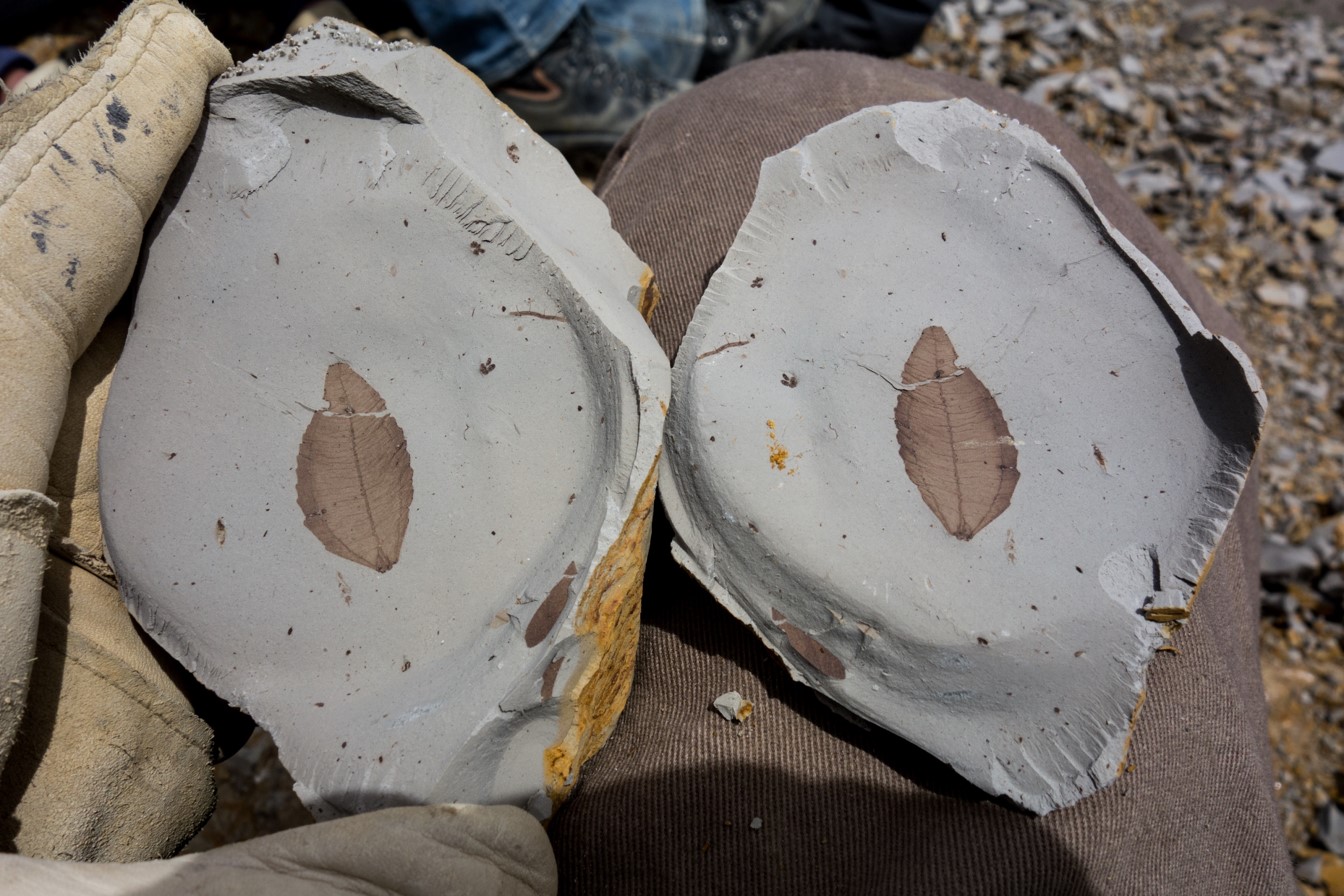
By carefully examining the features preserved in several specimens, we showed that the new genus, Notiantha, is most similar to Ziziphus (jujube), Sarcomphalus, and several other living members of the ziziphoid group of Rhamnaceae. The fossil leaves found with the flowers also resemble living members of the tribe Paliureae, the smaller group that includes Ziziphus and Sarcomphalus.
Who survived?
These plants shared the early Paleocene forests of southern South America with palms, legumes, Akaniaceae, the laurel family (Lauraceae), a variety of southern conifers, and several others we're still studying. By comparing the Salamanca flora with fossils from the very end of the Cretaceous, we can piece together a list of southern survivors and work out which kinds of plants made it through the extinction.
Read about more of those survivors in More flowers from the early Paleocene of Patagonia.